Can Dogs Eat Deer Meat? | Venison for Dogs Guide

Yes, dogs can eat deer meat when it is fully cooked, plain, and served in moderation. Venison is a lean, nutrient-rich protein that supports overall health. Avoid feeding raw venison because it may contain harmful bacteria or parasites that can make your dog sick.
In this guide, you’ll learn whether deer meat is safe, its nutritional benefits, potential concerns, and the best way to include it in your dog’s meals.
Is Deer Meat Safe for Dogs?
Yes, deer meat for dogs is generally safe when it is fresh, thoroughly cooked, and served without seasonings, onions, garlic, or rich sauces. Plain venison provides high-quality animal protein that supports healthy muscles, energy levels, and overall well-being.
Safety depends on how the meat is prepared. Fresh venison purchased from a trusted source or properly handled after hunting is usually a better option than spoiled or improperly stored meat. Cooking the meat to a safe internal temperature helps destroy many harmful bacteria and parasites that may be present in raw game meat.
While many people choose raw diets for their pets, raw venison carries additional risks compared to cooked meat. It may contain bacteria such as Salmonella and E. coli, along with parasites that can make both pets and people sick. For this reason, most veterinarians recommend serving cooked venison instead of raw.
If your dog has never eaten venison before, start with a small portion and watch for any signs of digestive upset, such as vomiting, diarrhea, or excessive gas. Every dog reacts differently to new foods, so gradual introduction is always the safest approach.
Healthy adult dogs can usually enjoy venison as part of a varied meal plan, but it should not replace a complete commercial diet unless the recipe has been carefully balanced to meet your dog’s nutritional needs.
Health Benefits of Venison for Dogs
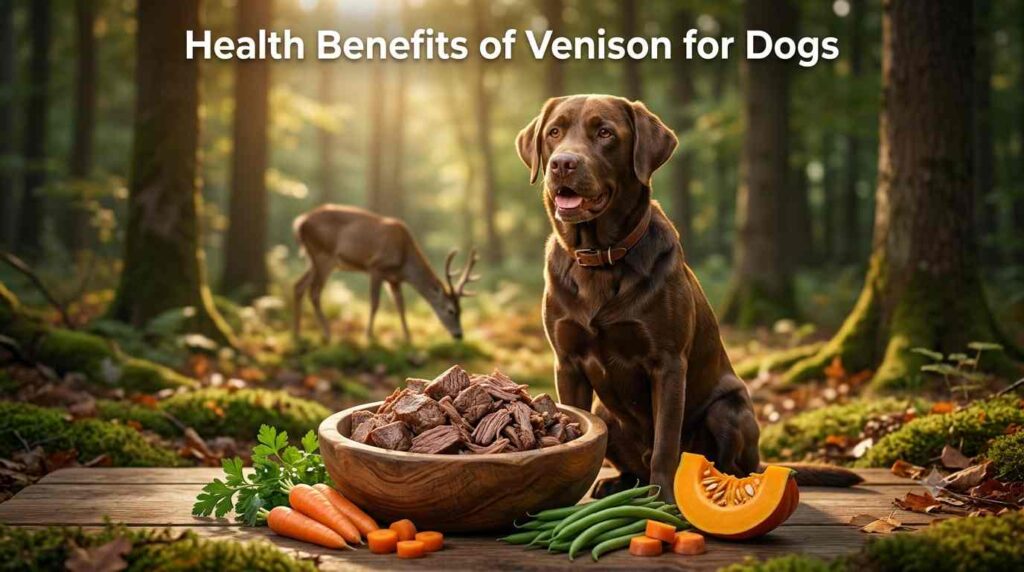
Venison is more than just another source of meat. It offers several nutritional advantages that make it an excellent choice for many dogs when fed appropriately.
Excellent Source of Lean Protein
One of the biggest advantages of venison is that it is a lean protein. Protein is essential for building and repairing muscles, supporting healthy skin, producing enzymes, and maintaining a strong immune system.
Because venison naturally contains less fat than many other red meats, it can be a suitable option for dogs that need a protein-rich meal without excessive calories.
Supports Healthy Dog Nutrition
Venison contains several nutrients that contribute to good dog nutrition. It provides important vitamins and minerals, including iron, zinc, selenium, phosphorus, and vitamin B12. These nutrients help support healthy blood cells, energy production, nerve function, and a strong immune system.
When combined with other nutritious ingredients, venison can become part of a complete and balanced diet that supports your dog’s long-term health.
Rich in Beneficial Fats
Although venison is lower in total fat, it still contains beneficial omega-3 fatty acids. These healthy fats may help support skin and coat health while contributing to normal joint function and reducing inflammation throughout the body.
The natural fat profile of venison makes it appealing for owners looking for healthier protein options.
Helpful for Dogs With Food Allergies
Some dogs develop sensitivities to commonly used proteins such as chicken or beef. Since venison is considered a novel protein, it may be recommended during elimination diets designed to identify food allergies.
Many dogs with protein sensitivities tolerate venison well because their immune systems have had little previous exposure to it. However, every dog is different, so any diet change should be introduced gradually and discussed with your veterinarian if allergy symptoms are severe.
May Benefit Senior Dogs
As dogs age, maintaining muscle mass becomes increasingly important. Senior dogs often require highly digestible protein to support mobility and overall body condition.
Venison provides quality protein while remaining relatively low in fat, making it a practical choice for older dogs that need nutritious meals without unnecessary calories.
A Good Choice for Overweight Dogs
Dogs carrying extra weight often benefit from foods that are high in protein but moderate in calories. Since venison contains less fat than many traditional red meats, it may help overweight dogs feel satisfied while supporting healthy weight management when paired with proper exercise and appropriate feeding amounts.
Keep in mind that portion size still matters. Even healthy foods can contribute to weight gain if served in excessive amounts.
Can Be Included in a Balanced Feeding Plan
Whether you prepare homemade meals or choose a commercial venison recipe, proper nutrition should always remain the priority. Organizations such as AAFCO guidelines help establish nutritional standards for complete dog foods.
If you prepare homemade venison meals regularly, they should include the right balance of protein, carbohydrates, healthy fats, vitamins, and minerals instead of relying on meat alone. Good portion control is equally important, as too much meat may create nutritional imbalances over time.
Overall, venison can be an excellent protein choice when it is fed responsibly. Its impressive nutritional profile, lower fat content, and digestibility make it suitable for many healthy dogs, provided it is prepared safely and included as part of a complete feeding plan.
Potential Risks of Deer Meat for Dogs
While venison can be a healthy protein source, it is not completely risk-free. Understanding the possible dangers will help you make safer feeding decisions and reduce the chance of illness.
Raw Meat Can Carry Harmful Bacteria
The biggest concern with raw venison is bacterial contamination. Fresh game meat may contain harmful bacteria such as Salmonella and E. coli, both of which can cause digestive illness in dogs. Symptoms may include vomiting, diarrhea, loss of appetite, stomach pain, fever, and dehydration.
Healthy adult dogs may sometimes tolerate bacteria better than humans, but puppies, senior dogs, and dogs with weakened immune systems are more likely to become sick. Cooking the meat thoroughly is the safest way to reduce this risk.
Parasites May Be Present
Wild deer can carry parasites that are not visible to the naked eye. One example is the tapeworm, which may infect dogs if they consume raw or undercooked meat containing parasite cysts.
Although parasite infections are not common in every region, they remain a possibility when feeding untreated game meat. Proper cooking helps destroy many parasites before they can infect your pet.
Chronic Wasting Disease (CWD)
Some pet owners worry about chronic wasting disease (CWD), a fatal neurological disease that affects deer, elk, and related animals. There is currently no confirmed evidence that dogs naturally develop CWD from eating infected venison. However, experts recommend avoiding meat from animals that appear sick or that have tested positive for the disease.
If you hunt deer yourself, follow your local wildlife authority’s recommendations regarding CWD testing before consuming or feeding the meat.
Lead Contamination
Hunted venison may contain tiny bullet fragments, especially when traditional ammunition is used. This creates a risk of lead contamination, which can be harmful if consumed over time.
If you process hunted deer meat at home, carefully trim the wound channel and surrounding tissue. Many hunters also choose lead-free ammunition to reduce this concern.
Avoid Seasoned or Processed Venison
Not every venison product is suitable for dogs. Sausages, jerky, smoked meat, and marinated cuts often contain excessive salt, spices, preservatives, onions, garlic, or other ingredients that may upset your dog’s stomach or even be toxic.
Plain, cooked venison without added seasonings is always the safest option.
Can Dogs Eat Different Types of Deer Meat?
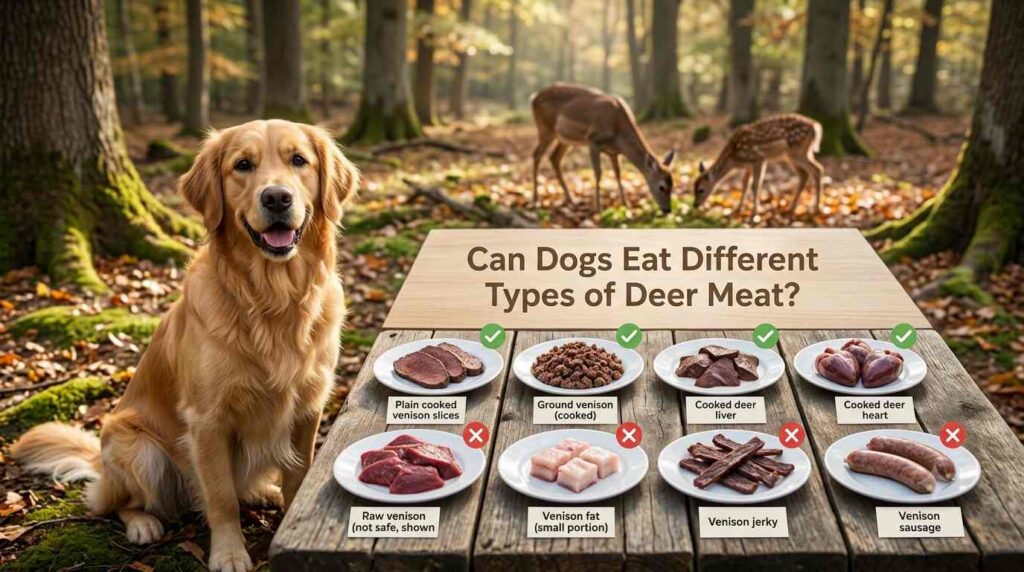
Not all venison products are equally safe. Here’s a closer look at the most common forms of deer meat.
Can Dogs Eat Raw Deer Meat?
Raw venison is not recommended. Although some owners choose raw diets, uncooked game meat carries a greater risk of bacteria and parasites. Cooking the meat greatly improves safety while still preserving its nutritional value.
Can Dogs Eat Cooked Deer Meat?
Yes. Plain, thoroughly cooked deer meat is the safest option for most dogs. Avoid butter, oils, spicy seasonings, onions, garlic, and heavy sauces. Simple boiled, baked, or grilled venison works best.
Can Dogs Eat Ground Venison?
Yes. Ground venison is safe after it has been fully cooked. Since grinding spreads bacteria throughout the meat, cooking it completely is especially important.
Can Dogs Eat Deer Organs?
Some deer organs, such as liver and heart, are rich in nutrients and can be offered occasionally in small amounts. However, organs should never replace muscle meat entirely because excessive amounts may provide too much vitamin A or other nutrients.
Can Dogs Eat Deer Ribs?
Deer ribs are not recommended. Cooked bones can splinter easily, creating choking hazards or causing injuries to the mouth, stomach, or intestines. Even raw bones carry certain risks and should only be offered under veterinary guidance.
Can Dogs Eat Venison Jerky?
It depends on the product. Most store-bought jerky contains high levels of salt, preservatives, sugar, or seasonings that are not healthy for dogs. If you want to offer jerky, choose a dog-specific product made with simple ingredients.
Can Dogs Eat Venison Sausage?
No. Venison sausage is generally not a good choice because it often contains spices, garlic, onion powder, curing salts, and preservatives. These ingredients can be unhealthy or harmful for dogs.
How Much Deer Meat Can Dogs Eat?
Even healthy foods should be fed in appropriate amounts. Venison should be viewed as part of your dog’s overall diet rather than the only food they eat.
If you’re offering cooked venison as an occasional treat, start with a few small pieces and observe how your dog responds over the next 24 hours. If there are no signs of digestive upset, you can occasionally include it as a reward or meal topper.
If venison becomes your dog’s primary protein source, the entire meal should still provide complete nutrition. Following AAFCO guidelines helps ensure your dog receives the proper balance of protein, fat, vitamins, and minerals needed for long-term health.
For homemade meals, simply adding meat to a bowl is not enough. Dogs also require appropriate amounts of carbohydrates, healthy fats, vitamins, and minerals to maintain normal body functions. That’s why many veterinarians recommend working with a veterinary nutritionist before feeding homemade diets on a regular basis.
Good portion control also depends on your dog’s:
- Age
- Breed
- Weight
- Activity level
- Overall health
- Existing medical conditions
Small dogs usually need only a few bites of cooked venison, while larger active dogs may safely eat larger portions as part of a balanced meal plan.
When introducing venison for the first time, replace only a small portion of your dog’s regular food instead of making a sudden dietary change. This gradual transition gives the digestive system time to adjust and makes it easier to identify any food sensitivities.
Remember that treats—including venison—should generally make up no more than about 10% of your dog’s daily calorie intake. The remaining calories should come from a complete and nutritionally balanced dog food.
Fed responsibly, venison can become a nutritious addition to your dog’s diet without replacing the essential nutrients provided by a complete feeding program.
What Happens If My Dog Eats Raw Deer Meat?
If your dog accidentally eats raw deer meat, there is no need to panic immediately. Many dogs may not develop any problems, especially if they only consumed a small amount. However, raw venison can expose dogs to bacteria and parasites that may lead to illness, so careful monitoring is important.
Over the next 24 to 72 hours, watch your dog for signs of digestive upset, including:
- Vomiting
- Diarrhea
- Loss of appetite
- Lethargy
- Excessive drooling
- Abdominal pain
- Fever
Some dogs may recover without treatment, while others—especially puppies, older dogs, or those with weakened immune systems—can become seriously ill if an infection develops.
If your dog also swallowed pieces of bone, monitor for choking, difficulty swallowing, constipation, or signs of intestinal blockage, as these require immediate veterinary attention.
If the deer meat came from a hunted animal that appeared sick or was not handled properly, the risk of contamination may be higher. Contact your veterinarian if you have any concerns about the source of the meat.
What Should I Do If My Dog Eats Deer Meat?
The right response depends on what kind of deer meat your dog consumed.
If Your Dog Ate Plain Cooked Venison
If the meat was fully cooked, unseasoned, and boneless, simply monitor your dog for any unusual symptoms. Most healthy dogs digest cooked venison without any problems.
Offer fresh water and continue feeding your dog’s regular meals unless your veterinarian recommends otherwise.
If Your Dog Ate Raw Deer Meat
Observe your dog closely for vomiting, diarrhea, weakness, or fever over the next few days. Do not attempt home remedies unless advised by your veterinarian.
If symptoms appear or worsen, seek veterinary care promptly.
If Your Dog Ate Seasoned Venison
Recipes containing garlic, onions, spicy seasonings, excessive salt, butter, or rich sauces may upset your dog’s stomach or cause more serious health problems.
Call your veterinarian if your dog develops vomiting, diarrhea, weakness, or other concerning symptoms after eating seasoned meat.
If Your Dog Ate Deer Bones
Do not try to make your dog vomit unless instructed by a veterinarian. Bones can splinter and damage the digestive tract if they come back up.
Watch for choking, repeated vomiting, abdominal pain, or difficulty passing stool, and seek immediate veterinary care if these signs occur.
Safe Alternatives to Deer Meat for Dogs
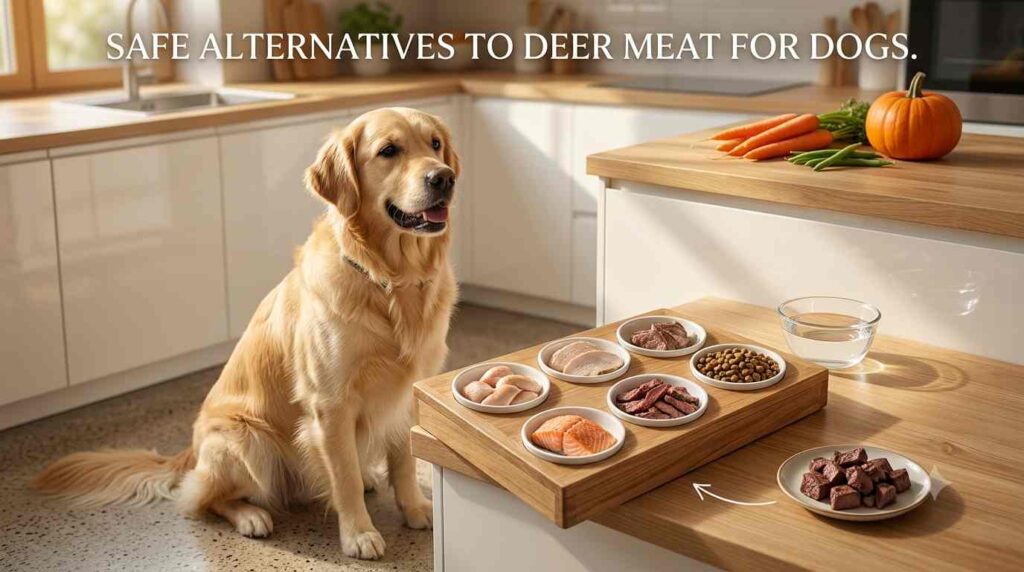
If venison is unavailable or your dog does not tolerate it well, several other protein sources can provide excellent nutrition.
Chicken
Skinless, cooked chicken is easy to digest and commonly recommended for healthy dogs. Serve it plain without seasonings or sauces.
Turkey
Cooked turkey is another lean protein option that supports healthy muscles. Remove skin and bones before feeding.
Beef
Lean beef provides protein, iron, and other nutrients. However, some dogs may be sensitive to beef, so introduce it gradually.
Lamb
Lamb can be a suitable alternative for dogs that cannot tolerate more common proteins. Many limited-ingredient diets include lamb as their main protein source.
Fish
Cooked salmon, whitefish, and sardines provide beneficial fatty acids while supporting healthy skin and coat condition. Always remove bones before serving.
Commercial Venison Dog Food
If your veterinarian recommends venison for long-term feeding, a high-quality commercial dog food formulated with venison may be the safest choice. These diets are designed to provide complete nutrition without the risk of nutritional deficiencies that can occur with poorly balanced homemade meals.
When to Contact a Veterinarian
Most dogs that eat a small amount of properly cooked deer meat remain perfectly healthy. However, you should contact your veterinarian if your dog develops any of the following symptoms:
- Repeated vomiting
- Severe or persistent diarrhea
- Blood in vomit or stool
- Loss of appetite lasting more than 24 hours
- Extreme tiredness or weakness
- Fever
- Severe abdominal pain
- Difficulty breathing
- Difficulty swallowing
- Choking
- Tremors or seizures
- Pale gums
- Signs of dehydration
Immediate veterinary care is especially important if your dog ate spoiled meat, large quantities of raw venison, seasoned meat containing toxic ingredients, or cooked bones.
Early treatment can prevent complications and improve your dog’s recovery.
FAQs
Can Dogs Eat Venison?
Yes, dogs can eat venison when it is properly cooked and served in appropriate portions. Venison is a lean, nutrient-rich protein that can be a good option for many dogs, especially those with certain food sensitivities.
Can dogs eat deer meat every day?
Yes, deer meat can be fed regularly if it is part of a complete and nutritionally balanced diet. Feeding only venison without other essential nutrients may lead to nutritional deficiencies over time.
Is venison good for dogs?
Yes. Venison is a high-quality protein that provides essential vitamins and minerals while being naturally lower in fat than many other red meats. It can be an excellent option for healthy adult dogs when prepared correctly.
Can dogs eat deer meat and rice?
Yes. Plain cooked venison served with cooked white or brown rice can be a gentle meal for many dogs. Avoid adding onions, garlic, butter, or seasonings.
How should I cook venison for dogs?
Cook venison thoroughly by boiling, baking, grilling, or steaming without salt, spices, oils, or sauces. Remove all bones before serving and allow the meat to cool.
Can dogs eat venison fat?
Small amounts are usually tolerated, but large amounts of fat may upset your dog’s stomach or increase the risk of pancreatitis in susceptible dogs. Lean cuts are the better choice.
Is deer meat better than beef for dogs?
Neither meat is universally better. Venison is generally leaner and may work well for dogs that need a different protein source, while lean beef also provides excellent nutrition. The best choice depends on your dog’s health, dietary needs, and your veterinarian’s advice.
Can Dogs Eat Deer Meat Cooked?
Yes, dogs can eat cooked deer meat as long as it is plain, fully cooked, and free from bones, seasonings, onions, or garlic. Cooked venison is a healthy, protein-rich treat when served in moderation as part of a balanced diet.
Can Dogs Get CWD From Eating Deer Meat?
There is no confirmed evidence that dogs naturally get chronic wasting disease (CWD) from eating deer meat. However, you should never feed venison from a deer that appears sick or has tested positive for CWD, and always follow local wildlife recommendations.
Final Verdict
So, can dogs eat deer meat? Yes—when it is fresh, fully cooked, boneless, and served in moderation, deer meat can be a healthy addition to your dog’s diet. Its high-quality protein, beneficial nutrients, and naturally lower fat content make it a nutritious option for many dogs.
However, raw venison, cooked bones, heavily seasoned recipes, and processed products like sausage or salty jerky should be avoided because they may increase the risk of illness or injury.
Whether you serve venison as an occasional treat or include it more regularly in your dog’s meals, focus on safe preparation, proper portion sizes, and a complete diet that meets your pet’s nutritional needs. If your dog has an existing medical condition or special dietary requirements, consult your veterinarian before making significant changes to its diet.