Are Mums Poisonous To Dogs? – A Complete Pet Safety Guide

Yes, mums (chrysanthemums) are mildly toxic to dogs. Eating any part of the plant may cause vomiting, diarrhea, drooling, and stomach upset. All mum varieties should be kept away from dogs.
Knowing the risks of mums can help you keep your dog safe and avoid an unnecessary trip to the vet. In this guide, you will learn why mums are toxic, what symptoms to watch for, and what steps to take if your dog eats one.
Are Mums Poisonous to Dogs?
Yes, mums are poisonous to dogs. Mums belong to the chrysanthemum family, and all parts of the plant contain substances that can be harmful when eaten. The flowers, leaves, stems, and roots all contain compounds that may cause poisoning.
Many dogs become curious about plants in the yard or around the house. Some dogs enjoy chewing leaves and flowers, especially puppies that are exploring their surroundings. Even a small amount of a mum plant can lead to symptoms such as vomiting, diarrhea, and drooling.
While most cases are mild, every dog reacts differently. A small dog that eats a large amount of the plant may experience stronger symptoms than a larger dog that only takes a few bites.
Why Are Mums Toxic to Dogs?
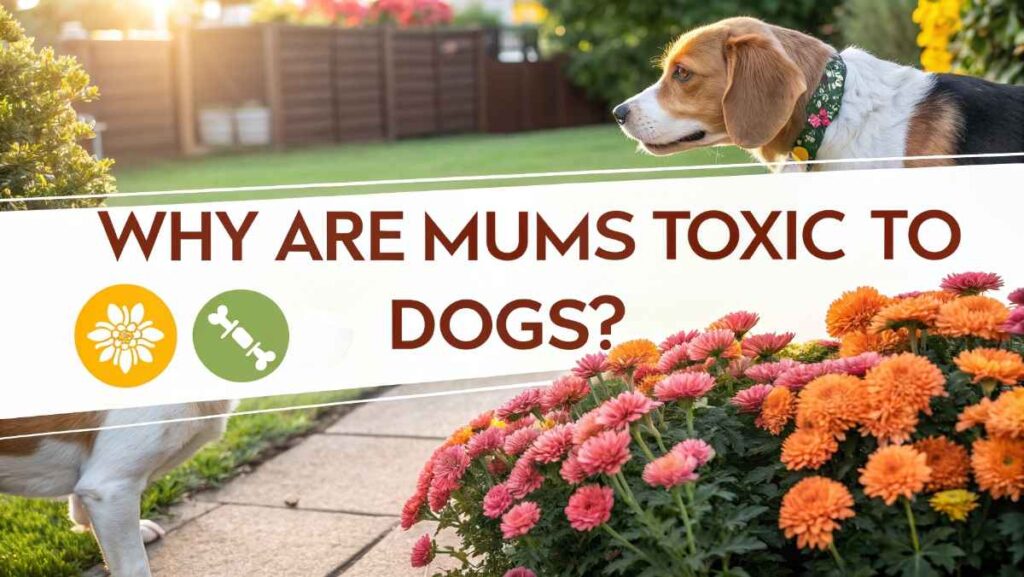
Mums contain several natural compounds that help protect the plant from insects and pests. Unfortunately, these same substances can also affect dogs.
Toxic Compounds Found in Chrysanthemums
The main toxic substances found in mums include pyrethrins and sesquiterpene lactones. These compounds can irritate a dog’s digestive system and may also affect the nervous system in some cases.
Pyrethrins are commonly used in insect-control products because they are effective against bugs. When a dog consumes part of a mum plant, these compounds can cause unwanted reactions in the body.
How These Toxins Affect Dogs
Once the plant is eaten, the toxins can irritate the stomach and intestines. This often leads to vomiting, diarrhea, and loss of appetite. Some dogs may also experience drooling because the plant irritates the mouth.
In more serious cases, the toxins can affect coordination and balance. Dogs may appear weak, confused, or unsteady when walking. Skin irritation can also occur if a dog rubs against the plant or gets plant sap on its skin.
Also Read: How Much Benadryl To Give A 50 Lb Dog – Vet-Reviewed Facts
What Happens If a Dog Eats Mums?
The effects depend on several factors, including the amount eaten, the size of the dog, and the dog’s overall health.
Some dogs may only develop mild stomach upset that goes away within a day. Others may experience more noticeable symptoms that require veterinary attention.
Most dogs begin showing signs within a few hours after eating the plant.
Mild Symptoms
Many cases involve mild digestive problems. Common symptoms include:
- Vomiting
- Diarrhea
- Drooling
- Nausea
- Reduced appetite
- Mild stomach discomfort
These symptoms may last several hours and sometimes continue for a day or two.
Moderate to Severe Symptoms
If a larger amount of the plant is consumed, symptoms may become more serious. These can include:
- Loss of coordination
- Weakness
- Excessive drooling
- Tremors
- Skin irritation
- Lethargy
Although severe reactions are less common, they should never be ignored. A veterinarian should evaluate any dog showing neurological symptoms such as tremors or difficulty walking.
How Long Does It Take for Symptoms to Appear?
Most dogs begin showing symptoms within a few hours after eating mums. Some may react within thirty minutes, while others may take several hours before symptoms become noticeable.
The first signs are usually digestive problems such as drooling, vomiting, or diarrhea. If a large amount was eaten, additional symptoms may develop later.
It is important to monitor your dog closely for at least twenty-four hours after the incident. Even if your dog seems normal at first, symptoms can sometimes appear later.
Watch for changes in behavior, energy levels, appetite, and bathroom habits. If anything seems unusual, contact your veterinarian.
How Much Mum Plant Is Dangerous for Dogs?
There is no exact amount that affects every dog the same way. The danger depends on the dog’s size, age, health condition, and the amount consumed.
A few small bites may only cause mild stomach upset in a healthy adult dog. However, a puppy or small breed dog may become sick after eating the same amount.
Risk Level by Dog Size
Small Dogs
Small breeds are generally at higher risk because their bodies are smaller and more sensitive to toxins. Even a small amount of plant material may cause noticeable symptoms.
Medium Dogs
Medium-sized dogs often experience mild to moderate symptoms depending on the quantity consumed. Monitoring is still important because reactions vary.
Large Dogs
Large dogs may tolerate small amounts better than smaller breeds, but they are not immune to poisoning. Eating a significant amount can still lead to serious symptoms.
Read Out: Can Cytopoint Cause Seizures In Dogs – Vet-Reviewed Guide!
What Should You Do If Your Dog Eats a Mum Plant?

Finding out that your dog has eaten a toxic plant can be stressful. Staying calm will help you respond quickly and appropriately.
Step 1: Remove Access to the Plant
Take the plant away immediately so your dog cannot continue eating it. Remove any remaining pieces from your dog’s mouth if it is safe to do so.
Step 2: Check for Symptoms
Look for signs such as drooling, vomiting, diarrhea, weakness, or unusual behavior. Make a note of when the plant was eaten and approximately how much was consumed.
Step 3: Contact Your Veterinarian
Call your veterinarian and explain what happened. Providing details about the plant and the amount eaten can help them determine the best course of action.
Step 4: Monitor Your Dog Closely
Keep your dog comfortable and observe for any changes. Follow your veterinarian’s instructions carefully. If symptoms worsen, seek medical attention immediately.
When Should You Call an Emergency Vet?
Some situations require immediate veterinary care. Do not wait if your dog develops severe symptoms.
Seek emergency help if you notice:
- Continuous vomiting
- Severe diarrhea
- Difficulty walking
- Tremors
- Collapse
- Extreme weakness
- Trouble breathing
Quick treatment can prevent complications and help your dog recover faster.
Can Mums Kill Dogs?
Many pet owners worry that eating mums will be fatal. Fortunately, most dogs recover well when treatment is provided promptly.
Mums are generally considered mildly to moderately toxic rather than highly deadly. However, this does not mean they should be taken lightly. Severe reactions can occur, especially in small dogs, puppies, or dogs that consume large amounts.
The good news is that most dogs recover completely within a few days when they receive proper care. Early action greatly improves the outcome.
How Vets Diagnose Mum Poisoning in Dogs
If your dog becomes sick after eating a mum plant, your veterinarian will begin by gathering information about what happened. They may ask when your dog ate the plant, how much was consumed, and what symptoms have appeared so far.
A physical examination is usually the first step. The veterinarian will check your dog’s temperature, heart rate, hydration level, and overall condition. They will also look for signs of stomach upset, weakness, or neurological problems.
In many cases, a diagnosis can be made based on the dog’s symptoms and a history of mum ingestion. However, if symptoms are severe or the veterinarian suspects another health problem, additional tests may be recommended.
Blood tests can help evaluate organ function and rule out other illnesses. In some situations, urine testing or imaging studies may also be used. These tests help ensure that the symptoms are truly related to plant poisoning and not another medical condition.
Bringing a photo of the plant or a sample of the plant can be very helpful. This allows the veterinarian to confirm that the plant is a chrysanthemum and determine the best treatment plan.
Treatment for Mum Poisoning in Dogs
Treatment depends on how much of the plant was eaten and how severe the symptoms are. Many dogs recover with supportive care, but some require more intensive treatment.
Home Care for Mild Cases
If only a small amount of the plant was eaten and symptoms are mild, your veterinarian may recommend monitoring your dog at home.
Your dog should have access to fresh water and a quiet place to rest. It is important to follow your veterinarian’s advice regarding food and hydration.
Do not give human medications unless your veterinarian specifically recommends them. Some medications that are safe for people can be dangerous for dogs.
Watch your dog closely over the next twenty-four to forty-eight hours. If symptoms become worse, contact your veterinarian right away.
Veterinary Treatments
Dogs with more significant symptoms may need professional treatment.
Veterinary care may include:
- Intravenous fluids to prevent dehydration
- Anti-nausea medications
- Medications to control vomiting
- Activated charcoal in certain situations
- Monitoring of vital signs
- Treatment for tremors or neurological symptoms
The goal of treatment is to keep the dog comfortable while the body removes the toxins. Most dogs respond very well to supportive care and begin feeling better within a short time.
Must Read: What Home Remedy Can I Give My Dog For Gas: Solutions!
Recovery Timeline: How Long Does It Take Dogs to Recover?
One of the most common questions pet owners ask is how long recovery will take. The answer depends on the amount of plant consumed and the severity of the symptoms.
Mild Cases
Dogs with mild symptoms often recover within twenty-four to forty-eight hours. Vomiting and diarrhea usually improve first, followed by a return to normal appetite and energy levels.
Moderate Cases
Dogs that experience more noticeable symptoms may need several days to recover completely. Veterinary treatment can help speed recovery and prevent complications.
Severe Cases
Recovery from severe poisoning can take longer, especially if neurological symptoms develop. Fortunately, most dogs improve significantly with proper treatment and monitoring.
During recovery, it is important to follow all veterinary instructions. Offer plenty of water, provide a calm environment, and avoid sudden changes in diet unless advised by your veterinarian.
Are Mums Dangerous If Dogs Only Smell Them?
Many dog owners wonder if simply smelling mums can cause poisoning. In most cases, smelling the flowers is not dangerous.
Dogs often investigate plants with their noses, and brief contact is unlikely to cause problems. The main risk comes from chewing or swallowing parts of the plant.
However, some dogs may have sensitive skin. If they brush against the plant repeatedly, they could develop mild irritation or redness. This reaction is usually less serious than poisoning from ingestion.
If your dog only smells a mum plant and does not eat it, there is generally little reason to worry. Continue to monitor your pet and prevent chewing on the plant.
Are Potted Mums More Dangerous Than Garden Mums?
Potted mums and garden mums contain the same toxic compounds, so both can be harmful if eaten.
However, potted plants may present additional concerns. Many potted flowers are treated with fertilizers, pesticides, or chemicals that can make the situation worse if consumed.
Dogs that dig in pots may also swallow soil, fertilizer pellets, or plant food products. These substances can sometimes cause their own health problems.
For this reason, potted mums should be kept out of reach of curious pets. Consider placing them on high shelves, hanging baskets, or areas that your dog cannot access.
Safe Fall Flowers for Dogs
If you love seasonal flowers but want a pet-friendly garden, there are several safer options to consider.
Sunflowers
Sunflowers are a popular choice because they are bright, cheerful, and generally considered safe for dogs. They can add color to your garden without creating the same concerns associated with mums.
Roses
Roses are another attractive option. While the thorns can cause injury if a dog chews on them, the plant itself is not considered toxic.
Snapdragons
Snapdragons provide beautiful blooms and are often included in pet-friendly gardens. They come in many colors and can brighten outdoor spaces throughout the season.
Orchids
Orchids are a favorite indoor plant for many pet owners. They are known for their elegant appearance and are generally safe around dogs.
Choosing pet-friendly flowers can help you enjoy gardening while reducing the risk of accidental poisoning.
Toxic vs Safe Fall Flowers for Dogs
The following table can help you identify which flowers should be avoided and which are generally safer choices.
| Toxic Flowers | Safe Flowers |
| Mums | Roses |
| Autumn Crocus | Sunflowers |
| Oleander | Orchids |
| Sago Palm | Snapdragons |
| Azaleas | Camellias |
Even with safe plants, it is still best to discourage dogs from chewing flowers or leaves.
How to Keep Your Dog Away From Toxic Plants
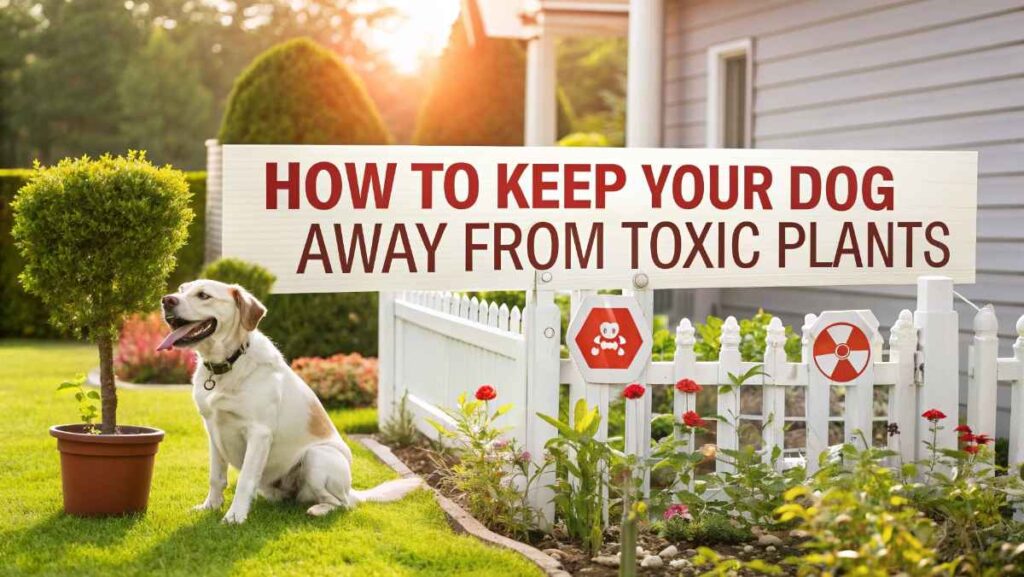
Prevention is always easier than treatment. Taking a few simple precautions can help protect your dog from accidental poisoning.
Keep toxic plants out of areas where your dog spends time. If you enjoy gardening, research every new plant before bringing it home.
Consider using fencing around flower beds if your dog likes to explore the yard. Raised garden beds can also help limit access.
Training can be another useful tool. Teaching commands such as “leave it” and “drop it” may prevent your dog from eating dangerous plants.
Regular supervision is especially important for puppies, as they tend to investigate the world by chewing on objects.
When purchasing plants, always check whether they are toxic to pets. Many garden centers provide information about pet safety, which can help you make informed choices.
Are Mums Poisonous to Dogs ASPCA
According to the ASPCA, mums, also known as chrysanthemums, are toxic to dogs. If a dog eats any part of the plant, it may develop symptoms such as vomiting, diarrhea, drooling, loss of appetite, or mild coordination problems. Veterinary advice is recommended.
What to Do If Dog Eats Mums
If your dog eats mums, remove any remaining plant material and watch for symptoms like vomiting, diarrhea, or excessive drooling.
Contact your veterinarian for guidance, especially if your dog ate a large amount or starts showing unusual behavior or signs of illness.
Are Mums Poisonous to Humans
Mums are generally not highly toxic to humans, but they can cause skin irritation, rashes, or allergic reactions in some people.
If large amounts are swallowed, mild stomach upset may occur. It is best to keep the plant away from children.
How Toxic Are Mums to Cats
Mums are toxic to cats and can cause vomiting, diarrhea, drooling, and loss of coordination if eaten. Cats may be more sensitive to the plant’s toxins than expected, so it is important to contact a veterinarian if ingestion occurs.
Frequently Asked Questions
Can Dogs Be Around Mums?
Dogs can be around mums, but they should not chew or eat them because the plant contains toxins harmful to dogs.
Are Garden Mums Poisonous to Dogs?
Yes, garden mums are poisonous to dogs. Eating the flowers, leaves, or stems can cause vomiting, diarrhea, and drooling.
Are Chrysanthemums Toxic to Puppies?
Yes, chrysanthemums are toxic to puppies. Because puppies are smaller, they may develop symptoms more quickly after ingestion.
Are Chrysanthemums Toxic to Dogs?
Yes, chrysanthemums are toxic to dogs. They contain compounds that may cause digestive upset, drooling, weakness, and irritation.
Are Mums Poisonous To Dogs Or Cats?
Mums are poisonous to both dogs and cats. Eating any part of the plant may cause stomach upset and drooling.
What Is the Most Poisonous Plant for a Dog?
Sago palm is considered one of the most poisonous plants for dogs. Even small amounts can cause severe liver failure.
Final Verdict
Yes, mums are poisonous to dogs and should be treated as a potentially harmful plant. Although most cases result in mild to moderate symptoms such as vomiting, diarrhea, and drooling, some dogs may develop more serious reactions.
If your dog eats any part of a mum plant, monitor them closely and contact your veterinarian for guidance. Quick action can make a big difference and help prevent complications.
The safest approach is to keep mums out of reach and choose pet-friendly flowers whenever possible. With a little planning and awareness, you can enjoy a beautiful garden while keeping your dog safe and healthy.