Do Dogs Have Uvulas? – A Vet-Friendly Guide for Pet Owners
No, dogs do not have a true uvula like humans. What looks like a uvula is usually soft tissue near the tonsils or soft palate at the back of the throat.
In this guide, you’ll learn what a uvula is, why dogs do not have one, what the hanging tissue in your dog’s throat might be, and what signs could point to a health problem.
Quick Answer: Do Dogs Have Uvulas?
No, dogs do not have a uvula like humans. A human uvula is the small piece of tissue that hangs down from the back of the soft palate. Dogs have a soft palate, but they do not have a separate uvula. What many people think is a dog’s uvula is usually part of the soft palate or another normal structure in the throat.
What Is a Uvula?
A uvula is a small, soft piece of tissue that hangs from the back of the roof of the mouth in humans. If you open your mouth wide and look in a mirror, you can usually see it dangling above your throat.
The uvula helps with several functions. It helps keep the throat moist by producing saliva. It also helps direct food and liquids when swallowing. In humans, the uvula plays a role in speech and can help trigger the gag reflex when something touches the back of the throat.
While the uvula is useful for humans, dogs have evolved differently and do not need this structure.
Do Dogs Have a Uvula Like Humans?
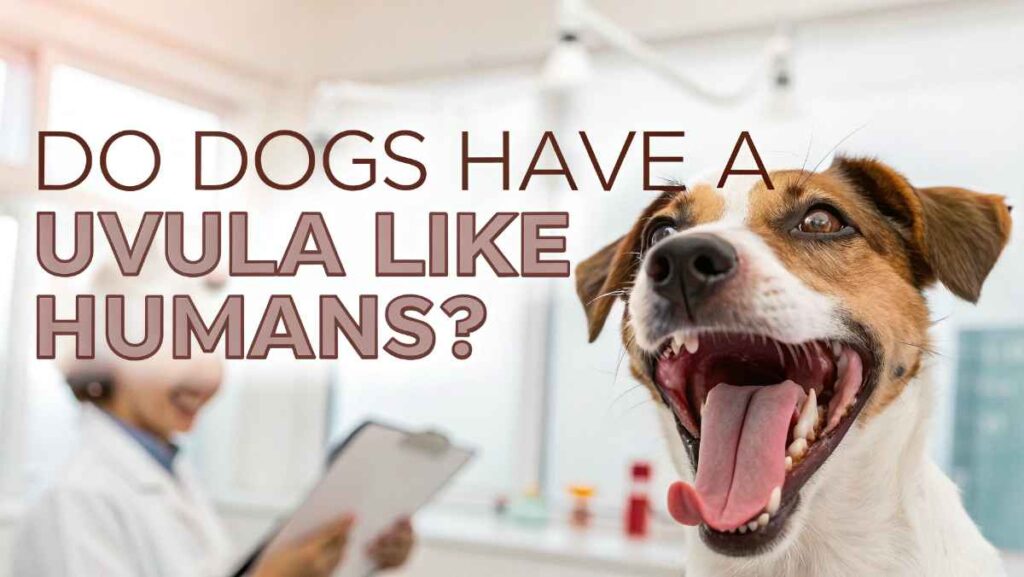
No, dogs do not have a true uvula. Their mouths and throats are designed differently from ours.
Dogs rely on a structure called the soft palate to help with breathing and swallowing. The soft palate is a flexible piece of tissue located at the back of the roof of the mouth. It performs many of the jobs that humans use the uvula and soft palate for.
Because of these differences, you will not find a small hanging uvula in a healthy dog’s throat. If you see tissue hanging near the back of the mouth, it is usually part of the soft palate or another normal anatomical structure.
What Is the Soft Palate in Dogs?
The soft palate is a soft flap of tissue found at the back of the roof of your dog’s mouth. It separates the mouth from the nasal passages and helps control airflow during breathing.
This structure also plays an important role when your dog swallows food or water. It helps prevent food from entering the nasal passages and supports normal throat function.
The soft palate is usually not noticeable unless you look deep into your dog’s mouth. In some breeds, especially flat-faced breeds, the soft palate may appear longer than normal and become more visible.
Also Read: Can Dogs Eat Collard Greens? – Signs, Risks & Serving Sizes
Dog Throat Anatomy Explained
Understanding a few basic parts of your dog’s throat can make it easier to know what you’re seeing.
Mouth
The mouth is where food enters the body. It includes the teeth, gums, tongue, and roof of the mouth.
Tongue
A dog’s tongue helps with eating, drinking, grooming, and regulating body temperature through panting.
Soft Palate
The soft palate sits at the back of the roof of the mouth and helps with swallowing and breathing.
Epiglottis
The epiglottis is a small flap that covers the windpipe when a dog swallows. This keeps food from entering the airway.
Pharynx
The pharynx is the area behind the mouth and nasal cavity. Food and air both pass through this region.
Larynx
The larynx, often called the voice box, contains the vocal cords and helps control breathing and sound production.
What Is the Hanging Flap in My Dog’s Throat?
Many owners become concerned when they notice a piece of tissue hanging near the back of their dog’s throat.
In most cases, this tissue is simply part of the soft palate. Depending on the angle and lighting, it may appear more noticeable than usual.
Some dogs naturally have a longer soft palate than others. Flat-faced breeds such as Pugs, Bulldogs, and French Bulldogs often have more visible throat tissue because of the shape of their heads and airways.
As long as your dog is breathing normally and showing no signs of discomfort, the tissue is usually nothing to worry about.
Why Does My Dog Look Like It Has a Uvula?
At first glance, the soft palate can look very similar to a human uvula. This is especially true if you are only seeing part of the tissue.
Many pet owners notice this when their dog yawns, pants heavily, or opens its mouth wide. The tissue may briefly hang lower than usual, making it appear as though the dog has a uvula.
However, this appearance is normal and does not mean your dog actually has a uvula.
Do Certain Dog Breeds Have More Visible Soft Palates?

Yes. Some breeds are more likely to have visible throat tissue because of their facial structure.
Pugs
Pugs have short noses and compact skulls. This can make the soft palate appear larger than it really is.
French Bulldogs
French Bulldogs often have breathing issues related to the shape of their airways. Their soft palate may be more noticeable.
Bulldogs
Bulldogs commonly have longer soft palates that can affect breathing.
Boston Terriers
Boston Terriers may also have airway structures that make the soft palate easier to see.
What Is an Elongated Soft Palate in Dogs?
An elongated soft palate occurs when the soft palate is longer than normal. Instead of ending where it should, it extends farther into the airway.
This condition is common in brachycephalic breeds, which are dogs with short noses and flat faces.
When the soft palate is too long, it can partially block airflow and make breathing more difficult. Some dogs live comfortably with mild cases, while others require veterinary treatment.
Must Read: Can I Give My Dog Robitussin For A Cough: Vet-Backed Advice
Signs of an Elongated Soft Palate
Common signs include:
- Loud snoring
- Noisy breathing
- Heavy panting
- Gagging
- Choking sounds
- Trouble exercising
- Difficulty cooling down
- Restlessness after activity
If these symptoms become frequent or severe, a veterinary examination is recommended.
Can an Elongated Soft Palate Be Dangerous?
Yes, in some cases it can be. A severely elongated soft palate may interfere with normal airflow. Dogs may struggle to breathe during exercise, hot weather, or stressful situations.
If left untreated, severe airway obstruction can affect a dog’s quality of life and may increase the risk of serious breathing emergencies. Fortunately, many dogs improve with proper veterinary care.
When Should You Contact a Veterinarian?
You should contact a veterinarian if your dog experiences:
- Difficulty breathing
- Blue or gray gums
- Frequent choking
- Severe gagging
- Collapse
- Excessive panting that does not improve
- Loud breathing noises that suddenly worsen
These signs may indicate an airway problem that requires professional attention.
Human Uvula vs Dog Soft Palate
| Feature | Humans | Dogs |
| Uvula | Yes | No |
| Soft Palate | Yes | Yes |
| Helps Swallowing | Yes | Yes |
| Helps Breathing | Limited | Important |
| Speech Function | Yes | No |
Do Cats Have Uvulas
No, cats do not have uvulas like humans. They have a soft palate at the back of the mouth, but there is no small hanging tissue called a uvula. Their throat anatomy is designed differently and works well for eating and breathing.
What Animals Have Uvulas
A true uvula is mainly found in humans. Most animals do not have a structure exactly like the human uvula. Some species may have similar soft tissues in the throat, but they are not considered true uvulas by experts.
Do Dogs Have Tonsils
Yes, dogs have tonsils. They are located near the back of the throat and help the immune system fight germs. Healthy tonsils are usually hard to see, but they may become enlarged if a dog has an infection.
Why Do Humans Have Uvulas
The human uvula helps with swallowing, speech, and keeping the throat moist. It also helps direct food and liquids properly when swallowing. While its exact purpose is still debated, it plays several useful roles in daily life.
Do Any Animals Have Uvulas
Very few animals have a structure similar to a human uvula. Most mammals do not have a true uvula. Scientists believe the human uvula is a unique feature that developed differently compared to the throat structures of other animals.
Do Dogs Have a Gag Reflex
Yes, dogs have a gag reflex. This natural reaction helps protect their airway from food, water, or foreign objects. If something touches the back of a dog’s throat, the gag reflex helps prevent choking and keeps breathing safe.
See Also: How Much Aspirin Can I Give My Dog – Vet-Approved Guide!
Do Dogs Have Umbilical Cords
Yes, dogs have umbilical cords before birth. The cord connects each puppy to its mother inside the womb and provides nutrients and oxygen. After birth, the cord is removed naturally, leaving a small belly button scar.
New Guinea Singing Dog Uvula
The New Guinea singing dog may have tissue at the back of its mouth that looks similar to a uvula. However, experts generally do not consider it a true human-like uvula. Their unique throat anatomy may help produce distinctive vocal sounds.
Frequently Asked Questions
Do Puppies Have Uvulas?
No, puppies do not have uvulas. Like adult dogs, they have a soft palate instead of a human-like uvula structure.
Do Dogs Have Uvulas Like Humans Do?
No, dogs do not have uvulas like humans. They use a soft palate to help with swallowing and breathing functions.
Why Do Dogs Not Have Uvulas?
Dogs evolved with different throat anatomy. Their soft palate performs necessary functions, so they do not need a separate uvula.
What Health Issues Can Occur Due to Uvulas in Dogs?
Dogs do not have true uvulas. However, soft palate problems can cause snoring, breathing difficulties, gagging, and choking episodes.
What Is the Difference Between Uvulas and Tonsils in Dogs?
Dogs lack uvulas but have tonsils. Tonsils support the immune system, while a uvula is a throat structure.
What Is the Function of the Gag Reflex in Dogs?
The gag reflex helps protect a dog’s airway by preventing food, water, or objects from entering the windpipe.
What Is a Soft Palate in Dogs?
The soft palate is a flexible tissue at the back of the mouth that helps dogs breathe and swallow safely.
Final Verdict
No, dogs do not have uvulas like humans. Instead, they rely on a soft palate to help with breathing and swallowing. If you notice tissue hanging at the back of your dog’s throat, it is usually a normal part of their anatomy. However, if your dog shows signs of breathing problems, choking, or excessive gagging, it is best to seek veterinary advice. Understanding your dog’s throat anatomy can help you recognize what is normal and ensure your pet stays healthy and comfortable.