Should I Put My Dog Down If He Is Still Eating – Guidance

Not necessarily. A dog can continue eating while experiencing pain, breathing problems, or poor quality of life. Consider comfort, mobility, happiness, and overall well-being, and consult your veterinarian before making an end-of-life decision.
In this article, you’ll learn whether a dog still eating may be suffering, key warning signs, and when euthanasia may be considered.
Key Takeaways
- Eating alone does not mean a dog is healthy.
- Dogs can continue eating while experiencing pain or discomfort.
- Quality of life is more important than appetite.
- Mobility, breathing, happiness, and comfort should all be considered.
- A veterinarian can help you evaluate your dog’s condition.
- Keeping track of good days and bad days can make the decision easier.
Can a Dog Still Eat and Be Suffering?
Many pet owners believe that if a dog is still eating, then the dog must be feeling okay. While eating is certainly a positive sign, it does not always tell the whole story.
Dogs are very good at hiding pain. This natural behavior comes from their ancestors, who often hid weakness to protect themselves. Because of this, a dog may continue eating meals while quietly dealing with discomfort, weakness, or disease.
Some dogs keep eating because their appetite remains strong. Others eat because it is part of their daily routine. However, a healthy appetite does not always mean a good quality of life.
For example, a dog with severe arthritis may still get excited for dinner but struggle to stand up afterward. Another dog with cancer may continue eating treats while experiencing pain and fatigue throughout the day.
This is why veterinarians recommend looking at the whole picture rather than focusing only on food intake.
Why Appetite Is Not the Only Sign of Health
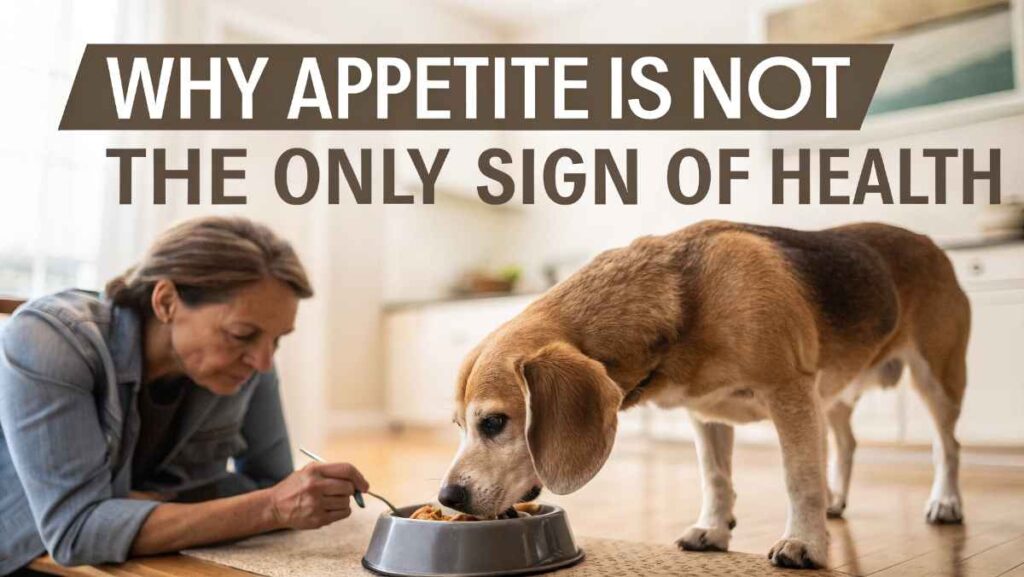
Appetite is just one piece of your dog’s overall well-being. Other important factors include:
- Ability to walk and move comfortably
- Interest in family members
- Ability to breathe normally
- Ability to sleep comfortably
- Control of pain
- Enjoyment of daily activities
- Ability to use the bathroom without difficulty
A dog may eat normally while several of these areas are declining.
See Also: How Long Are Dogs Pregnant? – Signs, Stages, and Care Tips
Dogs Often Hide Pain and Discomfort
Many dogs do not cry or show obvious signs of suffering. Instead, they may show small changes such as:
- Sleeping more than usual
- Avoiding stairs
- Moving slowly
- Not wanting to play
- Becoming quiet or withdrawn
- Panting without exercise
- Looking restless at night
These signs can sometimes be more important than appetite when judging quality of life.
Should I Put My Dog Down If He Is Still Eating?
There is no simple yes or no answer. Every dog is different, and every situation is unique.
The decision usually depends on whether your dog is still enjoying life and whether their discomfort can be managed. If your dog continues to have more good days than bad days, treatment and supportive care may still be appropriate.
However, if your dog is suffering every day despite medication and medical care, euthanasia may be the kindest option, even if your dog still eats.
Situations Where Euthanasia May Be Considered
A veterinarian may discuss euthanasia if a dog has:
- Severe pain that cannot be controlled
- Difficulty standing or walking
- Frequent falls
- Serious breathing problems
- Advanced cancer
- Severe organ failure
- Constant confusion or distress
- More bad days than good days
These situations often affect quality of life more than appetite.
Situations Where Treatment May Still Be Appropriate
Treatment may still help when:
- Pain can be controlled with medication
- The dog remains active and interested in life
- Mobility issues are manageable
- The dog enjoys family interaction
- There are still many good days
A veterinarian can help determine whether treatment options remain available.
Signs Your Dog May Be Suffering Even If He Is Eating
Many signs of suffering can appear while a dog continues eating meals normally.
Chronic Pain
Pain is one of the biggest factors in quality of life. Signs of pain may include:
- Limping
- Difficulty standing
- Shaking
- Panting
- Whining
- Changes in behavior
Dogs with chronic pain may continue eating while feeling uncomfortable for much of the day.
Difficulty Standing or Walking
Mobility problems can greatly affect daily life. A dog that struggles to stand, walk, or climb stairs may be experiencing significant discomfort.
Watch for:
- Slipping on floors
- Weak legs
- Trouble getting up
- Reluctance to move
Frequent Falls and Weakness
Falls can become common in older dogs or dogs with serious illnesses. Frequent falls may increase fear, stress, and injury risk.
Breathing Problems
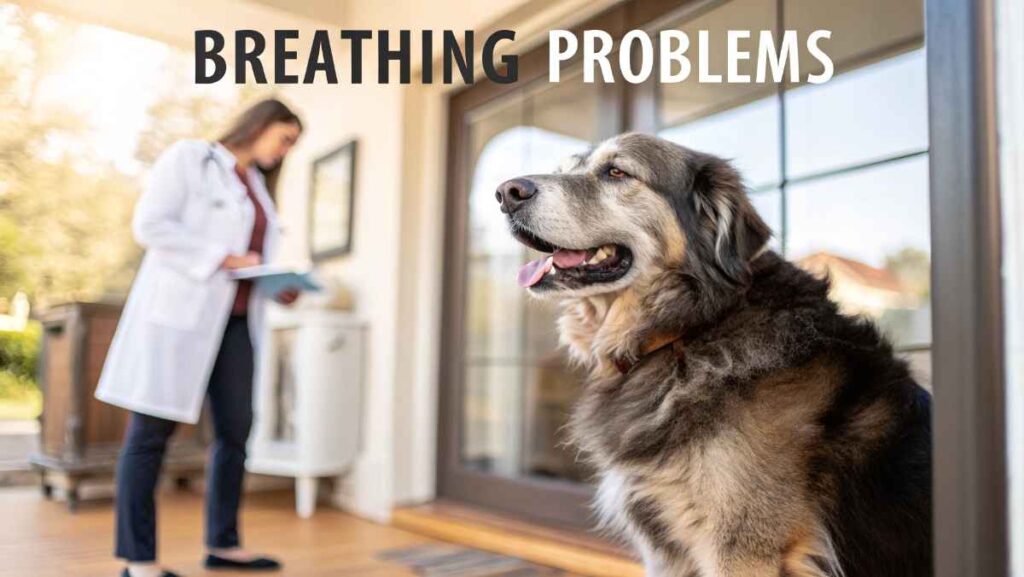
Breathing should always be comfortable and relaxed. Signs of trouble include:
- Heavy panting
- Rapid breathing
- Open-mouth breathing
- Struggling to catch breath
Breathing difficulties can seriously reduce a dog’s quality of life.
Loss of Interest in Family Activities
A dog that once enjoyed walks, toys, and family time may begin avoiding these activities. This loss of interest often signals declining well-being.
Confusion or Dog Dementia
Some older dogs develop cognitive dysfunction, often called dog dementia.
Signs include:
- Getting lost inside the home
- Staring at walls
- Confusion
- Nighttime restlessness
- Forgetting familiar people or routines
Incontinence and Loss of Hygiene
Some dogs lose control of their bladder or bowels as illness progresses. While accidents alone do not mean euthanasia is necessary, constant hygiene problems can affect comfort and dignity.
Anxiety, Restlessness, or Distress
Dogs nearing the end of life may appear anxious or unable to settle down. They may pace, whine, or seem uncomfortable even when resting. These signs should not be ignored simply because the dog is still eating.
Read Also: Dog Pregnancy Signs Week By Week: Every Owner Should Know
Why Some Sick Dogs Continue Eating
Many serious illnesses do not immediately affect appetite.
Cancer
Some dogs with cancer continue eating well, especially during the early and middle stages of disease.
Kidney Disease
Dogs with kidney disease may have periods where they eat normally and other times when their appetite decreases.
Heart Disease
Certain heart conditions affect breathing and energy levels before appetite changes.
Arthritis
Arthritis mainly affects mobility rather than appetite. Many dogs with severe arthritis still look forward to meals.
Cognitive Dysfunction Syndrome
Dogs with dementia may continue eating while showing confusion and behavioral changes.
For this reason, appetite should never be the only factor used to judge quality of life.
How Veterinarians Assess a Dog’s Quality of Life
When pet owners ask, “Should I put my dog down if he is still eating?” veterinarians usually focus on quality of life rather than appetite alone.
Quality of life refers to how comfortable, happy, and functional a dog is on a daily basis. A dog may still eat meals but struggle in other important areas of life.
Pain Management
One of the first things a veterinarian evaluates is pain.
Ask yourself:
- Does my dog seem comfortable most of the time?
- Is pain medication helping?
- Does my dog cry, pant, or shake because of discomfort?
If pain cannot be controlled, quality of life may be severely affected.
Mobility and Independence
Being able to move around comfortably is important for a dog’s well-being.
A veterinarian may assess whether your dog can:
- Stand without help
- Walk without falling
- Go outside to use the bathroom
- Change positions comfortably
Dogs that lose most of their mobility often struggle with daily life.
Breathing Comfort
Breathing problems can make even simple activities difficult.
Your veterinarian may look for:
- Rapid breathing
- Labored breathing
- Constant panting
- Difficulty resting comfortably
A dog that constantly struggles to breathe may have a poor quality of life even if he continues eating.
Appetite and Hydration
While appetite alone is not enough to determine quality of life, it still matters.
A veterinarian will consider:
- Whether your dog is eating enough
- Whether your dog is drinking water normally
- Whether weight loss is occurring
Good eating habits are positive, but they should be considered alongside other factors.
Happiness and Social Interaction
Many veterinarians ask whether a dog still enjoys life.
Think about:
- Does your dog greet family members?
- Does your dog enjoy affection?
- Does your dog show interest in favorite activities?
- Does your dog still wag his tail?
These small moments can reveal a lot about quality of life.
Overall Daily Comfort
The goal is to determine whether your dog is comfortable most of the time. If discomfort, confusion, weakness, or distress dominate daily life, it may be time to have a serious conversation with your veterinarian.
The Good Days vs Bad Days Method

Many pet owners find it difficult to judge quality of life because emotions can make the situation confusing. A simple method called the “Good Days vs Bad Days” approach can help.
How to Track Your Dog’s Daily Quality of Life
Each evening, mark the day as either:
- Good Day
- Bad Day
A good day may include:
- Comfortable movement
- Interest in family
- Normal eating and drinking
- Relaxed behavior
A bad day may include:
- Pain
- Breathing difficulty
- Severe weakness
- Confusion
- Distress
Keeping a written record often reveals patterns that are difficult to notice day by day.
Must Read: Dog Kidney Failure: When To Euthanize?: Vet-Approved Guide
When Bad Days Begin to Outnumber Good Days
Many veterinarians suggest paying attention when bad days become more common than good days.
If your dog experiences discomfort most of the time and good days become rare, quality of life may be declining significantly. This method can provide clarity during an emotional time.
Questions to Ask Yourself Before Making the Decision
The decision about euthanasia is one of the hardest choices a pet owner can face. Taking time to answer a few honest questions may help.
Is My Dog Comfortable Most of the Time?
Comfort matters more than appetite alone. If your dog spends most of the day in pain or distress, quality of life may be suffering.
Does My Dog Still Enjoy Favorite Activities?
Think about activities your dog once loved.
Does your dog still:
- Enjoy walks?
- Play with toys?
- Seek attention?
- Get excited when family members come home?
Loss of interest can be a sign of declining well-being.
Can My Dog Move Without Significant Pain?
Mobility often affects quality of life more than owners realize. If standing, walking, or lying down causes obvious discomfort, your dog’s daily experience may be greatly affected.
Is My Dog Experiencing More Good Days Than Bad Days?
This simple question often provides valuable insight. If good days remain common, your dog may still be enjoying life. If bad days dominate, it may be time to consider difficult options.
When to Talk to a Veterinarian About Euthanasia
You do not have to make this decision alone. A veterinarian can provide guidance based on medical knowledge and experience.
Preparing for the Conversation
Before your appointment, make notes about:
- Appetite changes
- Mobility problems
- Pain levels
- Breathing issues
- Sleeping habits
- Behavior changes
This information helps your veterinarian understand your dog’s condition.
What Your Vet May Evaluate
Your veterinarian may examine:
- Weight and body condition
- Pain levels
- Mobility
- Organ function
- Mental awareness
- Overall comfort
After the evaluation, your veterinarian can explain available options and help you make an informed decision.
Coping With the Emotional Side of the Decision
Even when euthanasia is the kindest choice, it can still feel heartbreaking. Many pet owners struggle with guilt, sadness, and uncertainty. These feelings are completely normal.
Understanding Pet Owner Guilt
People often worry they are making the decision too soon or too late.
Common thoughts include:
- “Maybe I should wait a little longer.”
- “What if my dog gets better?”
- “Am I giving up too soon?”
These concerns are understandable because of the deep bond people share with their pets. Remember that choosing comfort over suffering can be an act of love.
Knowing That Appetite Is Only One Factor
Many owners delay difficult decisions because their dog still eats. However, eating is only one part of a dog’s overall quality of life. A dog can enjoy food while still struggling with pain, weakness, confusion, or breathing problems. Looking at the complete picture often makes the decision clearer.
Should I Put My Dog Down If His Back Legs Give Out
Not always. Some dogs can live comfortably with mobility aids or treatment. However, if your dog’s back legs give out permanently and quality of life continues to decline, euthanasia may become a compassionate option after veterinary evaluation.
Did I Euthanize My Dog Too Soon
Many pet owners worry about this after losing a beloved dog. If your decision was made to prevent suffering and based on veterinary advice, it was likely an act of love. Remember, choosing comfort and dignity is never an easy decision.
Should I Put My Dog Down If He Can’t Walk
A dog that cannot walk may still enjoy life if pain is controlled and daily needs are met. However, if immobility causes constant discomfort, stress, or loss of quality of life, euthanasia may be worth discussing with your veterinarian.
Frequently Asked Questions
Should I euthanize my dog if he still eats?
Not necessarily. A dog can continue eating while experiencing pain or discomfort. Consider quality of life, mobility, breathing, happiness, and overall comfort.
Will a vet advise you if it’s time to put a dog down?
Yes. A veterinarian can evaluate your dog’s health, quality of life, pain levels, and comfort to help guide this difficult decision.
How do you know if it’s too soon to put your dog down?
It may be too soon if your dog still enjoys activities, interacts with family, stays comfortable, and has more good days.
What are signs a dog is suffering?
Signs include chronic pain, breathing difficulties, weakness, confusion, anxiety, loss of mobility, frequent falls, and reduced interest in daily activities.
Will a vet refuse to put a dog down?
Yes. A veterinarian may refuse euthanasia if they believe your dog still has a good quality of life and treatment options.
Final Thoughts
Deciding whether to put a dog down is one of the most emotional choices a pet owner can face. If your dog is still eating, it does not automatically mean euthanasia is necessary. At the same time, appetite alone should not be used to measure quality of life.
Look at the complete picture. Consider your dog’s comfort, pain levels, mobility, breathing, happiness, and ability to enjoy daily life. Many dogs continue eating despite serious illness, while others may have a good quality of life even with health challenges.
If you are unsure, speak with your veterinarian. Together, you can evaluate your dog’s condition and determine what is best for their comfort and dignity. The goal is always to make decisions based on love, compassion, and your dog’s overall well-being.