Can Dogs Eat Taro? – Benefits, Risks, and Vet Advice!

Many dog owners enjoy sharing food with their pets. However, not every vegetable that is safe for people is safe for dogs. One food that often raises questions is taro. This starchy root vegetable is popular in many dishes and is known for its unique taste and texture. But can dogs eat taro?
The short answer is no. Taro is not considered a safe food for dogs, especially when it is raw. It contains substances that can irritate a dog’s mouth, throat, and digestive system. While cooking can reduce some of these harmful compounds, many experts still recommend avoiding taro and choosing safer vegetables instead.
In this article, you will learn why taro can be dangerous for dogs, what symptoms to watch for, and which healthy alternatives you can safely offer your furry friend.
Can Dogs Eat Taro?
Quick Answer
No, dogs should not eat taro. Raw taro contains calcium oxalate crystals, which can cause irritation and discomfort. If a dog eats raw taro, it may experience drooling, swelling, vomiting, or trouble swallowing.
Is Taro Safe for Dogs?
Taro is generally not recommended for dogs. Although cooking reduces some of the harmful compounds, there is still a risk of digestive upset. Since there are many safer vegetables available, most pet owners are better off avoiding taro altogether.
If your dog accidentally eats a small amount of cooked taro, serious problems are unlikely. However, you should monitor your dog for any unusual symptoms and contact your veterinarian if concerns arise.
What Is Taro?
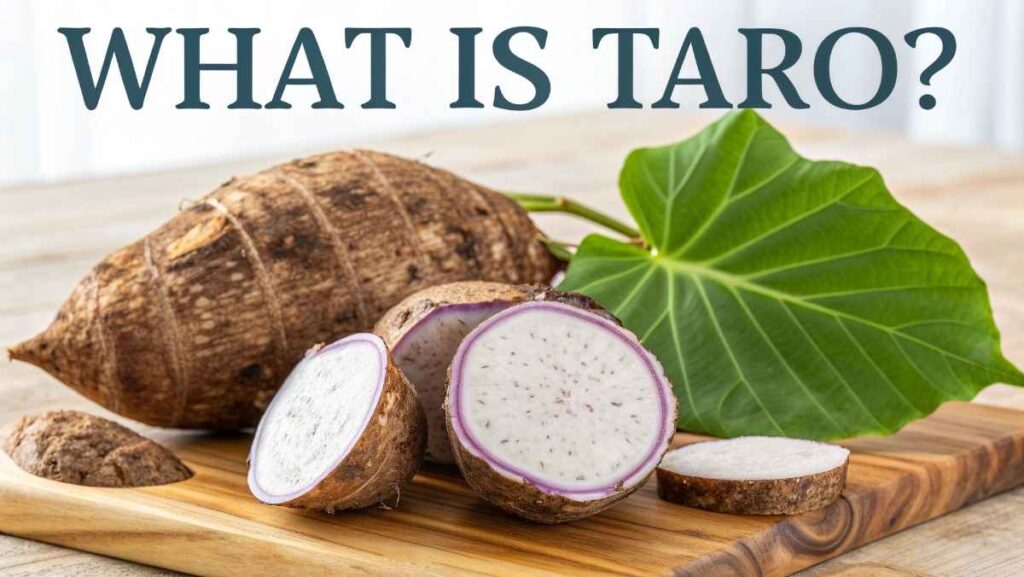
Taro is a root vegetable grown in tropical and subtropical regions. It is commonly used in soups, stews, desserts, and snacks. The root has a brown outer skin and a white or purple interior, depending on the variety.
People often compare taro to potatoes because both are starchy vegetables. However, taro contains compounds that make it unsafe to eat raw.
Types of Taro
There are several types of taro grown around the world. Some have white flesh, while others have purple or pink colors. Taro can be found as:
- Fresh taro root
- Taro powder
- Taro chips
- Taro desserts
- Taro drinks
No matter the form, taro should not be considered a regular food for dogs.
Nutritional Value of Taro
Taro contains several nutrients, including:
- Fiber
- Potassium
- Vitamin C
- Magnesium
- Carbohydrates
These nutrients may sound beneficial, but dogs can obtain them from safer foods. The possible risks of taro outweigh any potential benefits.
Also Read: Can Dogs Eat Bok Choy – A Complete Guide for Dog Owners!
Why Taro Can Be Dangerous for Dogs
Calcium Oxalate Crystals Explained
The biggest concern with taro is its calcium oxalate crystals. These are tiny, needle-shaped crystals naturally found in the plant.
When a dog chews raw taro, the crystals can stick into the tissues of the mouth and throat. This causes immediate irritation and pain. Dogs may react by drooling excessively or pawing at their mouths.
How Taro Affects Dogs
Depending on how much taro is eaten, dogs may experience:
- Mouth irritation
- Burning sensation
- Swelling of the tongue
- Excessive drooling
- Difficulty swallowing
- Vomiting
- Stomach discomfort
Some dogs are more sensitive than others, so reactions can vary.
Risks of Feeding Raw Taro
Raw taro is the most dangerous form. The calcium oxalate crystals remain active and can cause severe irritation.
A dog that eats raw taro may quickly show signs of discomfort. In severe cases, swelling inside the mouth and throat can make swallowing difficult.
For this reason, raw taro should always be kept away from pets.
Symptoms of Taro Poisoning in Dogs
Mild Symptoms
If a dog eats a small amount of taro, symptoms may include:
- Drooling
- Lip licking
- Mild vomiting
- Pawing at the mouth
- Reduced appetite
These signs often appear shortly after ingestion.
Serious Symptoms
Larger amounts may lead to more serious problems, including:
- Swollen tongue
- Swollen lips
- Difficulty swallowing
- Difficulty breathing
- Repeated vomiting
- Extreme discomfort
These symptoms require immediate veterinary attention.
When to Contact a Veterinarian
Contact your veterinarian if:
- Your dog ate raw taro
- Your dog shows swelling in the mouth
- Breathing seems difficult
- Vomiting continues
- Symptoms worsen over time
Quick treatment can help prevent complications.
Can Dogs Eat Cooked Taro?
Does Cooking Make Taro Safe?
Cooking reduces the level of calcium oxalate crystals found in taro. This is why people cook taro before eating it.
However, reducing the crystals does not automatically make taro a recommended food for dogs.
Potential Risks of Cooked Taro
Even cooked taro may cause:
- Stomach upset
- Vomiting
- Diarrhea
- Digestive discomfort
In addition, many taro dishes contain ingredients that are unhealthy for dogs, such as:
- Sugar
- Butter
- Salt
- Cream
- Artificial flavorings
These ingredients can create additional health concerns. Because safer vegetables are available, there is little reason to include taro in your dog’s diet.
Can Puppies Eat Taro?

Why Puppies Are More Vulnerable
Puppies have sensitive digestive systems and smaller bodies than adult dogs. Even a small amount of a harmful food can affect them more strongly.
Their developing systems may struggle to handle irritating substances found in taro.
Risks for Young Dogs
Puppies that eat taro may experience:
- Digestive upset
- Vomiting
- Excessive drooling
- Dehydration
- Loss of appetite
Since puppies are more vulnerable, taro should never be offered as a treat.
See Also: Can Dogs Eat Ube – Vet-Approved Answer Inside (2026)
What to Do If Your Dog Eats Taro
Immediate Steps to Take
If you discover that your dog has eaten taro:
- Remove any remaining taro.
- Check your dog’s mouth for irritation.
- Offer fresh drinking water.
- Watch for symptoms.
Do not attempt home remedies without veterinary advice.
Monitoring Your Dog
Keep an eye on:
- Drooling
- Vomiting
- Swelling
- Changes in behavior
- Difficulty swallowing
Most symptoms appear within a short time after ingestion.
When Emergency Care Is Needed
Seek emergency veterinary care if your dog:
- Has trouble breathing
- Shows severe swelling
- Cannot swallow
- Becomes weak or unresponsive
These symptoms should never be ignored.
Are Taro Leaves Safe for Dogs?
Taro Leaves vs. Taro Root
Many people focus on the taro root, but the leaves can also be harmful to dogs. Like the root, taro leaves contain calcium oxalate crystals. These crystals can irritate the mouth, throat, and digestive tract if eaten raw.
Some cultures cook taro leaves before eating them, which helps reduce the harmful compounds. However, this does not mean they are a good choice for dogs. Dogs do not need taro leaves in their diet, and there are safer leafy vegetables available.
Additional Safety Concerns
Taro plants are sometimes grown in home gardens as ornamental plants. Curious dogs may chew on the leaves, stems, or roots while exploring outdoors.
To keep your pet safe:
- Prevent access to taro plants.
- Supervise your dog in the garden.
- Remove any fallen leaves.
- Contact a veterinarian if your dog chews on the plant.
Even a small amount may cause discomfort and irritation.
Healthier Alternatives to Taro for Dogs
If you want to give your dog a healthy vegetable treat, there are many safer options.
Carrots
Carrots are a favorite among dog owners. They are low in calories and provide vitamins and fiber.
Benefits of carrots include:
- Support for eye health
- Crunchy texture that many dogs enjoy
- Low-fat snack option
Serve carrots in small pieces to prevent choking.
Pumpkin
Plain pumpkin is one of the best vegetables for dogs.
Benefits include:
- Supports healthy digestion
- Contains fiber
- May help with mild constipation or loose stools
Choose plain pumpkin without sugar, spices, or pie filling ingredients.
Sweet Potatoes
Cooked sweet potatoes are often used in dog foods and treats.
Benefits include:
- Rich in vitamins
- Easy to digest when cooked
- Good source of fiber
Always serve them plain and fully cooked.
Green Beans
Green beans are another safe choice for most dogs.
Benefits include:
- Low-calorie treat
- Contains vitamins and minerals
- Can help dogs feel full without adding many calories
Serve them plain without butter, salt, or seasoning.
Must Read: Can Dogs Eat Salami? – Risks, Symptoms, and Vet Advice!
Foods Similar to Taro That Dogs Should Avoid
Some plants contain compounds similar to those found in taro and should also be avoided.
Elephant Ear Plants
Many elephant ear plants belong to the same family as taro. These plants contain calcium oxalate crystals and can cause irritation if chewed.
Signs of exposure may include:
- Drooling
- Mouth pain
- Swelling
- Vomiting
Keep these plants out of reach of pets whenever possible.
Other Oxalate-Containing Plants
Several houseplants and garden plants contain calcium oxalate crystals.
Examples include:
- Dieffenbachia
- Philodendron
- Pothos
- Peace lily
Dogs that chew on these plants may experience symptoms similar to taro poisoning.
Pet owners should learn which plants in their homes and gardens may be harmful to animals.
Feeding Safety Tips for Dog Owners

Checking Foods Before Sharing
Many people enjoy sharing food with their dogs, but it is important to check whether a food is safe before offering it.
Before giving any new food:
- Research the ingredient.
- Introduce only a small amount.
- Watch for reactions.
- Ask your veterinarian if you are unsure.
A few minutes of research can prevent a serious health problem.
Preventing Accidental Ingestion
Dogs often eat things out of curiosity. Preventing access to unsafe foods is one of the best ways to protect your pet.
Helpful tips include:
- Store food securely.
- Keep kitchen scraps out of reach.
- Supervise dogs during outdoor activities.
- Teach basic commands such as “leave it.”
These simple habits can reduce the risk of accidental poisoning.
Taro Vine Is Toxic To Dogs
Yes, taro vine is toxic to dogs. It contains calcium oxalate crystals that can irritate the mouth, throat, and stomach. If your dog chews on a taro vine, it may drool, vomit, or have trouble swallowing. Contact your veterinarian if symptoms appear.
Can Dogs Eat Taro Raw
No, dogs should never eat raw taro. Raw taro contains harmful calcium oxalate crystals that can cause pain, swelling, drooling, and digestive upset. Even a small amount may irritate your dog’s mouth and throat, so it is best avoided completely.
Can Dogs Eat Taro Root Cooked
Cooked taro root is less harmful than raw taro because cooking reduces the crystals. However, it is still not recommended for dogs. Some dogs may develop stomach upset or vomiting, and there are safer vegetables that make much better treats.
Can Dogs Eat Taro Ice Cream
No, taro ice cream is not a good treat for dogs. It often contains sugar, dairy products, and other ingredients that may upset a dog’s stomach. Too much sugar can also contribute to weight gain and other health problems.
Can Dogs Eat Taro Leaves
No, dogs should not eat taro leaves. Like the root, the leaves contain calcium oxalate crystals that may cause irritation and discomfort. Eating taro leaves can lead to drooling, mouth pain, vomiting, and digestive problems in some dogs.
Can Dogs Have Taro Milk Tea
No, dogs should not drink taro milk tea. It usually contains sugar, milk, flavorings, and sometimes caffeine from tea. These ingredients are not suitable for dogs and may cause digestive upset or other unwanted health issues.
Can Cats Eat Taro
No, cats should not eat taro. Raw taro contains calcium oxalate crystals that can irritate a cat’s mouth and digestive system. Even cooked taro is not necessary in a cat’s diet, and safer foods are available for feline pets.
Frequently Asked Questions
Is Taro Good for Pets?
No, taro is not a good food for pets. It can cause irritation and digestive problems, and safer vegetables are available for dogs.
Is Taro Toxic to Dogs?
Yes, raw taro is toxic to dogs. It contains calcium oxalate crystals that may cause drooling, mouth irritation, swelling, and stomach upset.
Is Gabi Ok for Dogs?
No, gabi, another name for taro, is not recommended for dogs. Raw gabi can be harmful and may cause irritation and discomfort.
Is Taro Pet Friendly?
No, taro is not considered pet friendly. Both the plant and raw root can cause health problems in dogs and other pets.
Is Cooked Taro Toxic to Dogs?
Cooked taro is less harmful than raw taro, but it is still not recommended. Dogs can safely enjoy healthier vegetable alternatives instead.
Final Verdict
Key Takeaways
Taro may be a popular root vegetable for people, but it is not a good choice for dogs. Raw taro contains calcium oxalate crystals that can cause irritation, swelling, drooling, vomiting, and digestive problems.
Although cooking reduces some of these compounds, taro still offers little benefit compared to safer vegetables. Because of the potential risks, most veterinarians recommend avoiding taro and choosing healthier alternatives instead.
Veterinary Recommendation
If your dog accidentally eats taro, monitor for symptoms and contact your veterinarian if you notice any signs of discomfort. Fast action is especially important if your dog develops swelling, difficulty swallowing, or breathing problems.
For a safe and healthy treat, stick to dog-friendly vegetables such as carrots, pumpkin, green beans, or cooked sweet potatoes. These options provide nutrients without the risks associated with taro.
In the end, the safest answer is simple: dogs should not eat taro. Keeping this vegetable off your dog’s menu is the best way to protect their health and avoid unnecessary problems.